
Vitamins for students
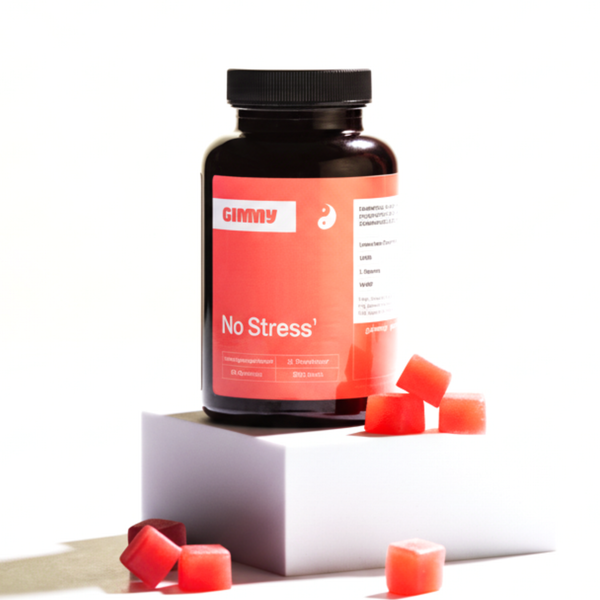
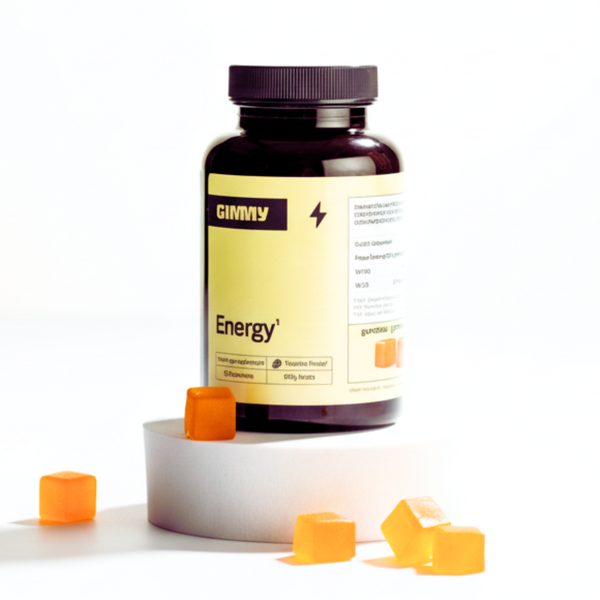
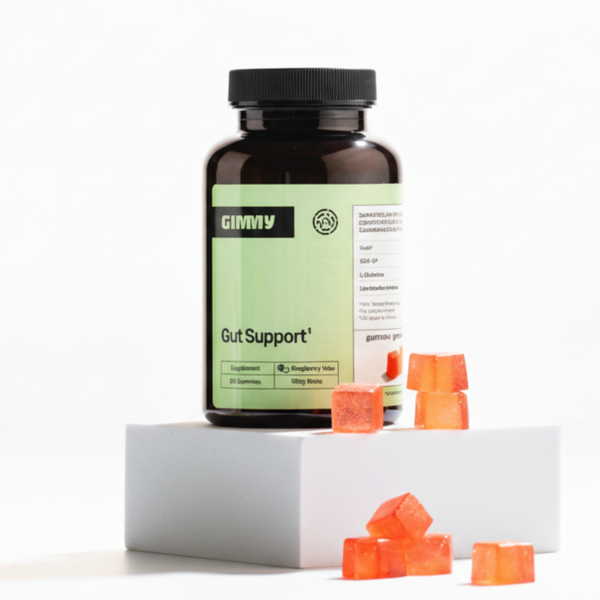
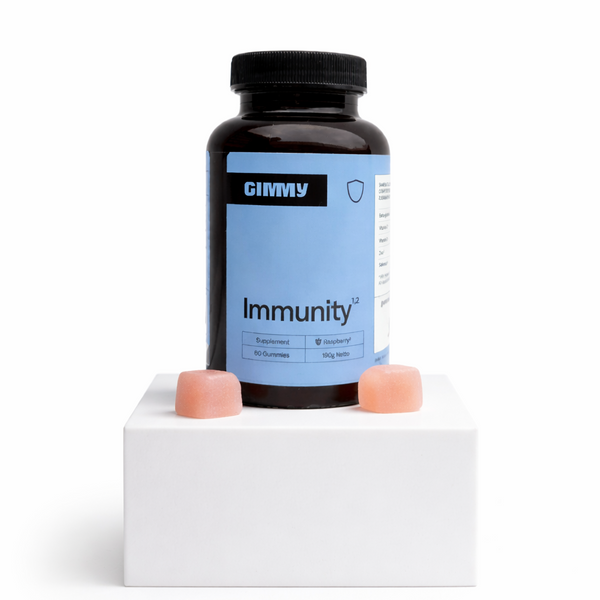
Studying and working demands a lot from the body. That's why GIMMY offers a range of gummies with a well-thought-out combination of vitamins, minerals, and plants. This ensures there's a suitable gummy for every moment of the day. All GIMMY Gummies have been formulated and produced by Belgian pharmacists and comply with HACCP guidelines. Our gummies are free from artificial colors and contain no gelatin or sugar.
70%
students experience stress
0%
caffeine
4.7/5
average score
650+
partner pharmacies
Our offer
Vitamins for those who need to study or work
Discover which GIMMY formula suits you
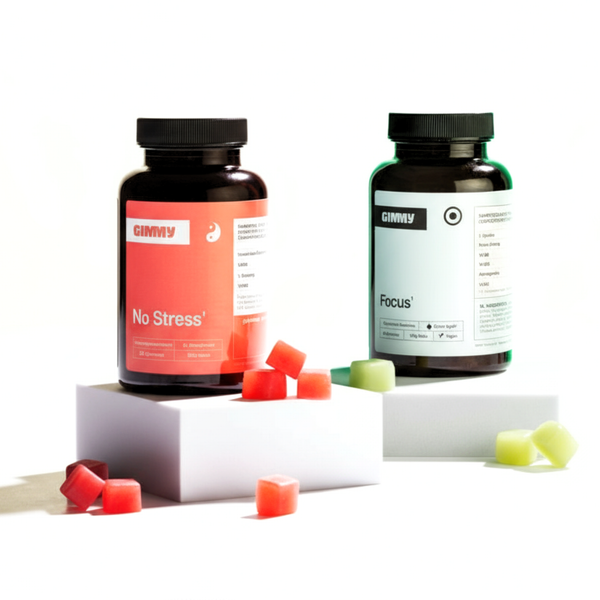

Bundle & Save
Save up to €5 per pot
Save even more now with a bundle


Why GIMMY?
GIMMY Gummies for students
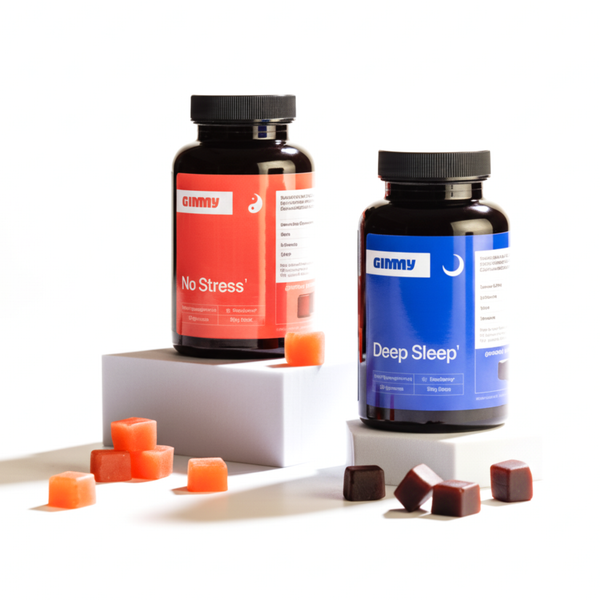
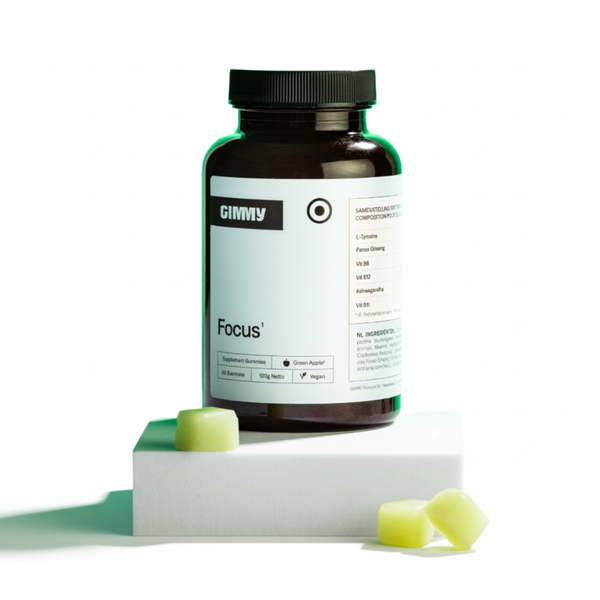
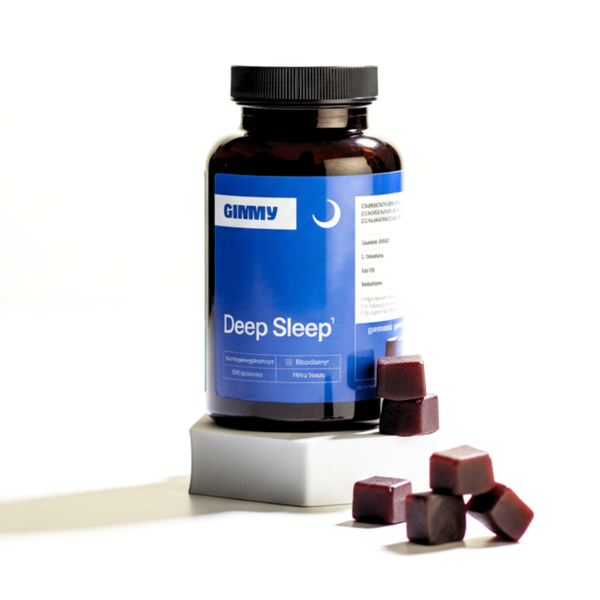
GIMMY Gummies are for students and young adults, with a gummy for every moment of the day. They were developed by Belgian pharmacists and are available online and in 650+ pharmacies.
- Developed by three pharmacists and a doctorEach formula is scientifically substantiated.
- 100% vegan and sugar-freeWith natural fruit extracts, without gelatin or artificial sweeteners.
- Trusted by your pharmacistAvailable at 650+ pharmacies or online.
- HACCP-certifiedGIMMY Gummies are HACCP-certified, which means they are produced according to strict food safety standards. Every potential risk in the production process is analyzed and controlled, ensuring you receive a safe and high-quality product.
What students are saying
Reviews.
Developed by pharmacists, reviewed by our customers
★★★★★
During exam period, these gummies are truly indispensable. I feel more alert without constantly drinking coffee.
★★★★★
My first year is intense. A lot of responsibility and long days. Sleep gummies really help me sleep better.
★★★★★
I was constantly getting colds on campus. Since I started taking Immunity, I've had much fewer issues.
★★★★☆
I gladly recommend them to pharmacy students. The dosages are correct, there are no unnecessary ingredients, and they are affordable for those trying supplements for the first time.
Selected by pharmacists
Natural ingredients
Certain active ingredients in gummies can be absorbed by your body up to 2 times more effectively, thanks to absorption through your oral mucous membranes. Our gummies contain only natural and high-quality ingredients that support your health, without compromising on taste and convenience. All ingredients have been carefully selected to contribute to maintaining good health.
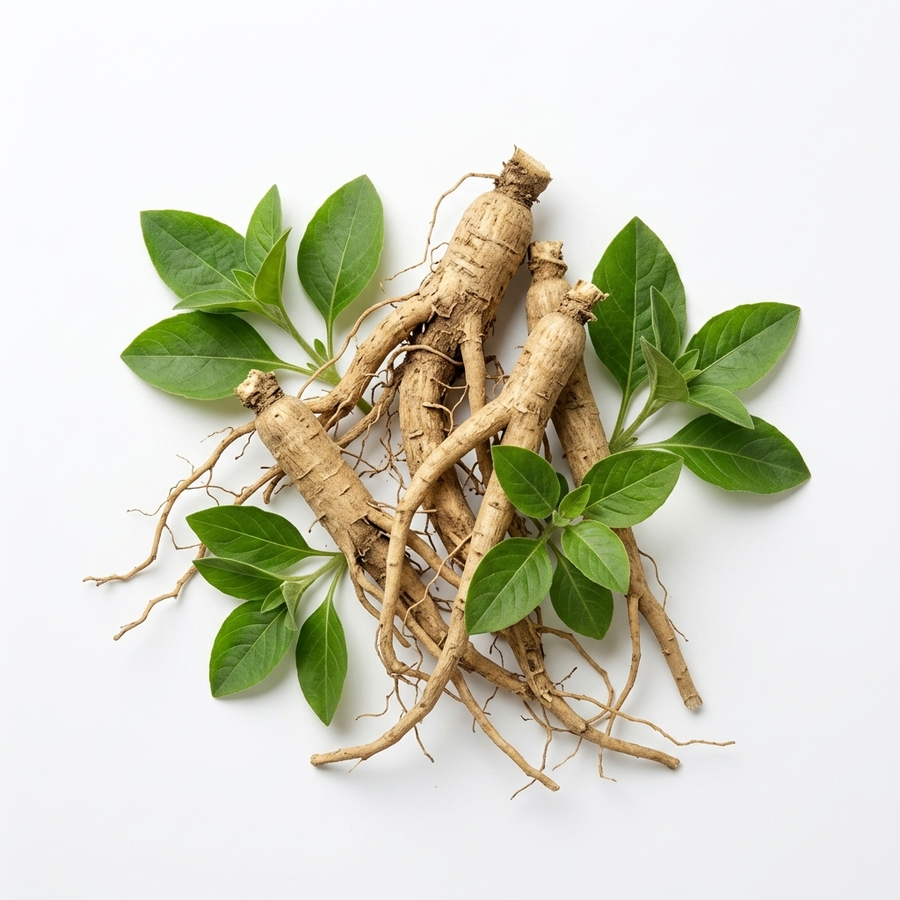
Ashwagandha (1 mg)
Ashwagandha (Withania somnifera) is a shrub from the nightshade family whose root has been used for centuries in Ayurveda.
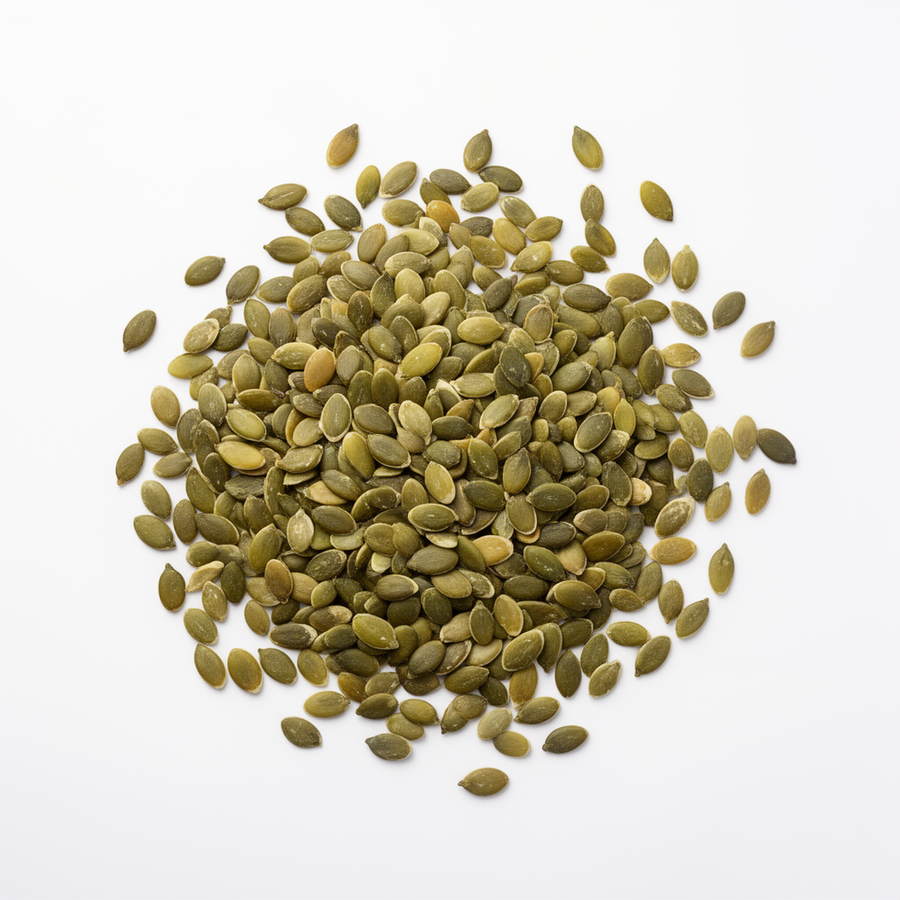
L-tyrosine (75 mg)
L-tyrosine is an amino acid naturally found in protein-rich foods.
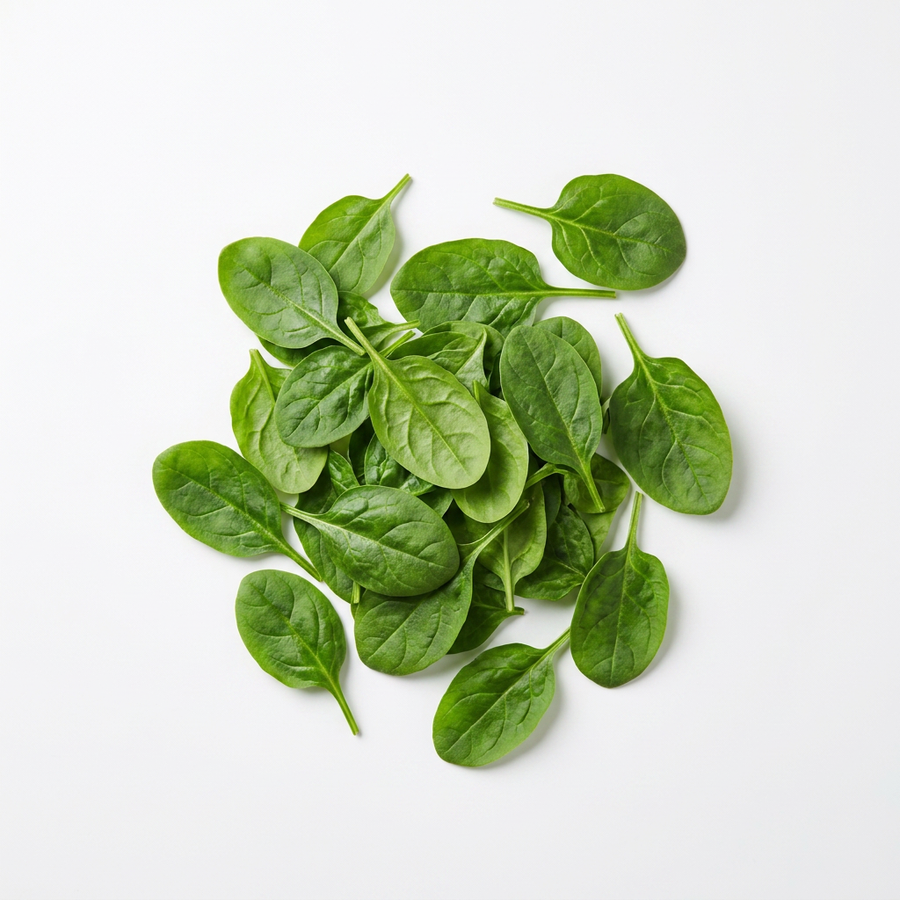
Folic acid (200 µg)
Folic acid is the synthetic form of folate, a water-soluble B vitamin also known as vitamin B9.
Folic acid contributes to normal psychological function.
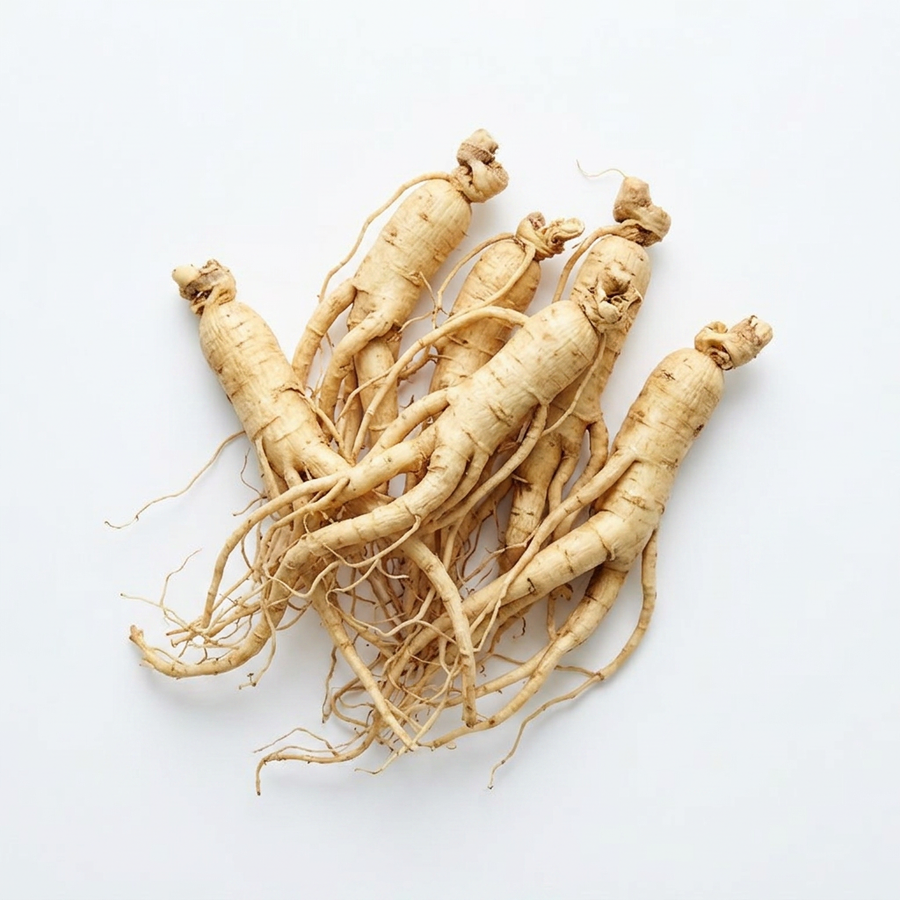
Panax ginseng (4 mg)
Panax ginseng is the root of a plant from the aralia family, native to Korea and north-east China.
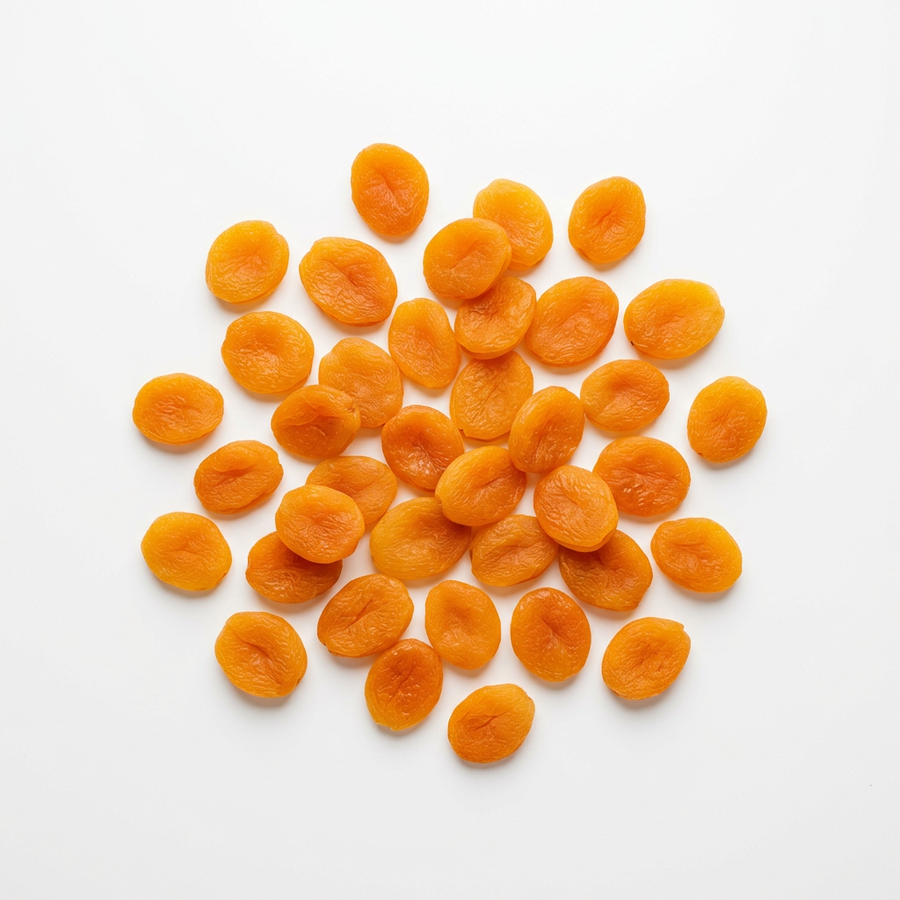
Vitamin B6 (2,8 mg)¹
Vitamin B6 is a water-soluble B vitamin found in foods such as fish, poultry, potatoes and bananas.
Vitamin B6 contributes to normal psychological function.
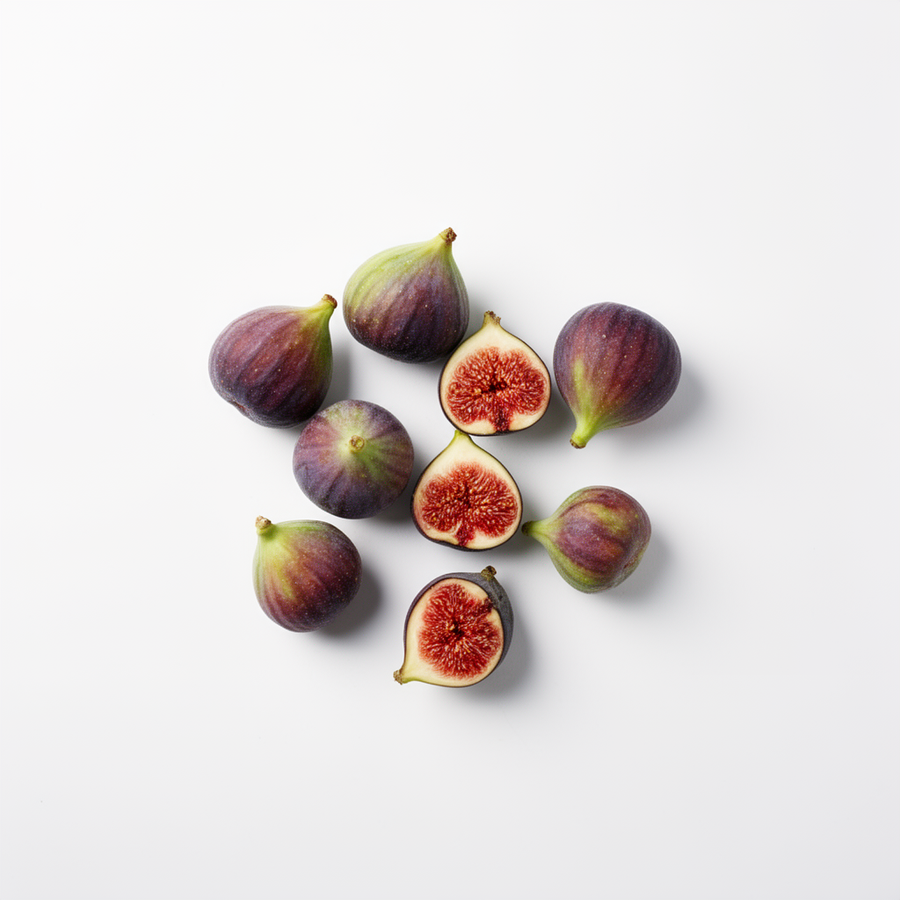
Vitamin B12 (2,5 µg)
Vitamin B12, also called cobalamin, is a water-soluble B vitamin found almost only in animal foods.
Vitamin B12 contributes to normal energy-yielding metabolism. It plays a role in cell division and contributes to normal psychological function.

Valerian (200 mg)¹
Valerian comes from the root of the valerian plant.
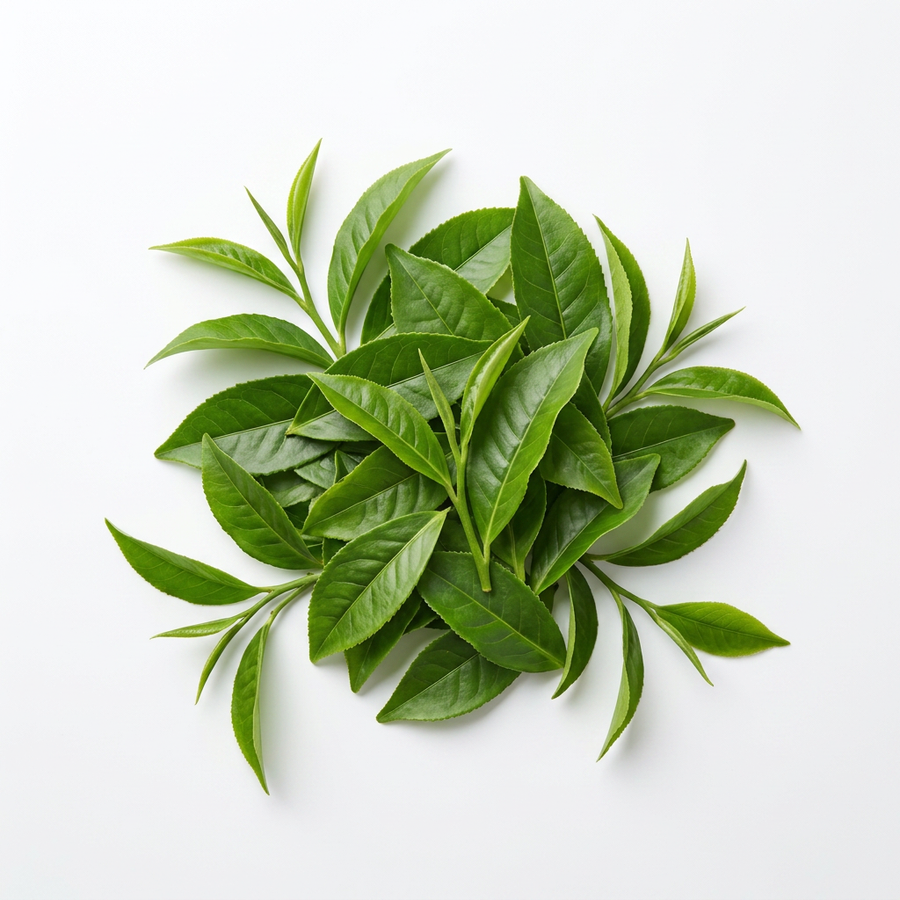
L-theanine (100 mg)
L-theanine is an amino acid that occurs naturally in the leaves of the tea plant.
Vitamin B6 (2,8 mg - 200%)
Vitamin B6 is a water-soluble B vitamin found in foods such as fish, poultry, potatoes and bananas.
Vitamin B6 contributes to normal psychological function.
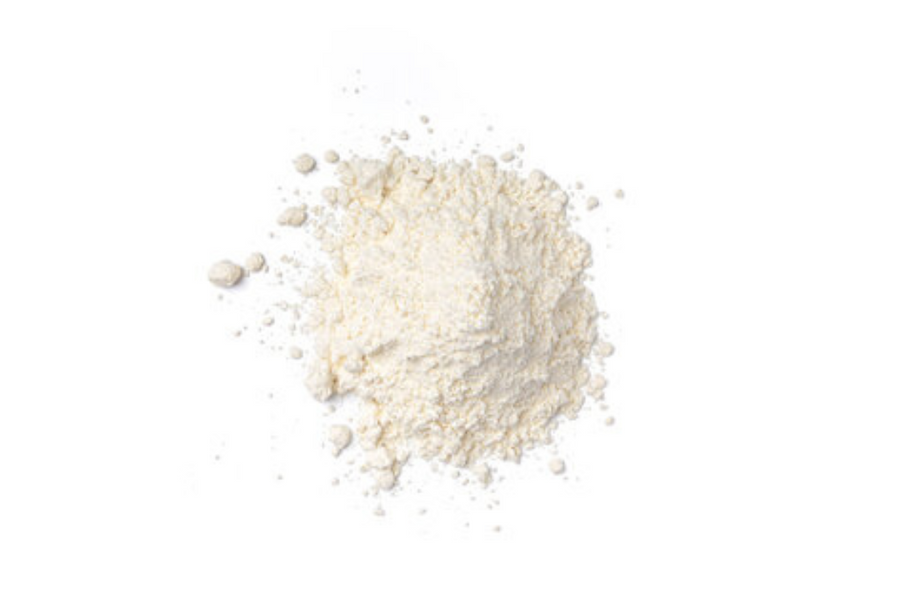
Melatonin (299 µg)
Melatonin is a substance the body makes itself in the pineal gland and that is found in small amounts in cherries, tomatoes and nuts.
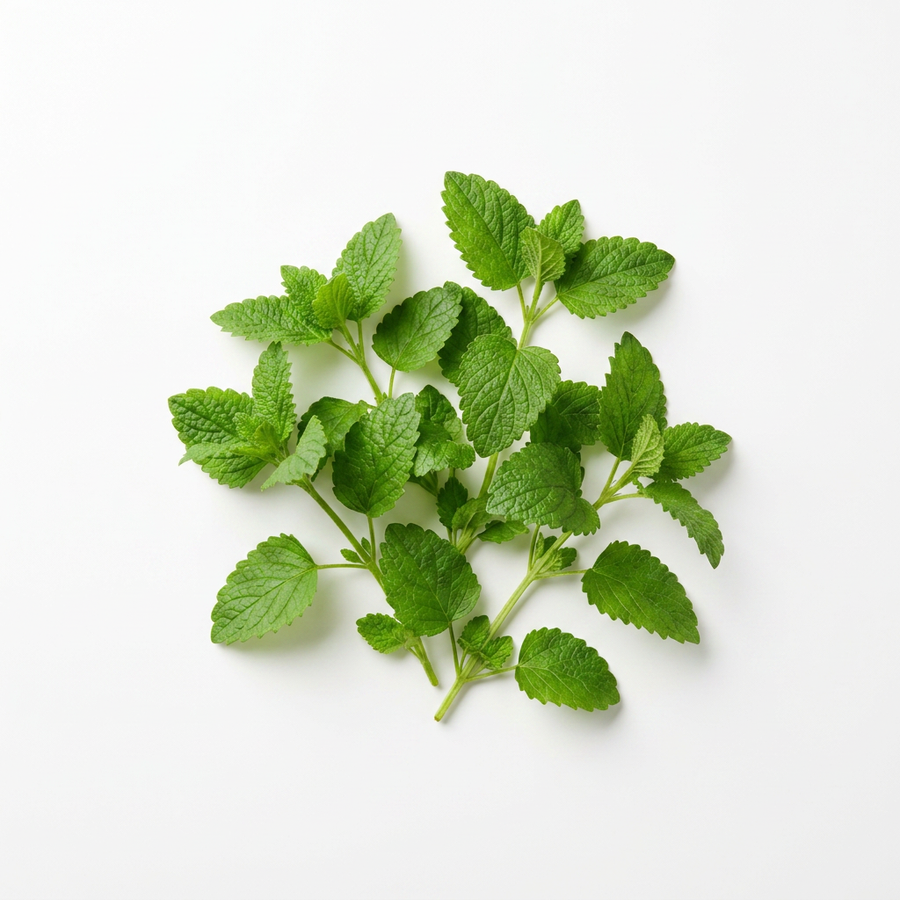
Lemon balm (150 mg)
Lemon balm (Melissa officinalis) is a herb from the mint family with a fresh lemon scent.
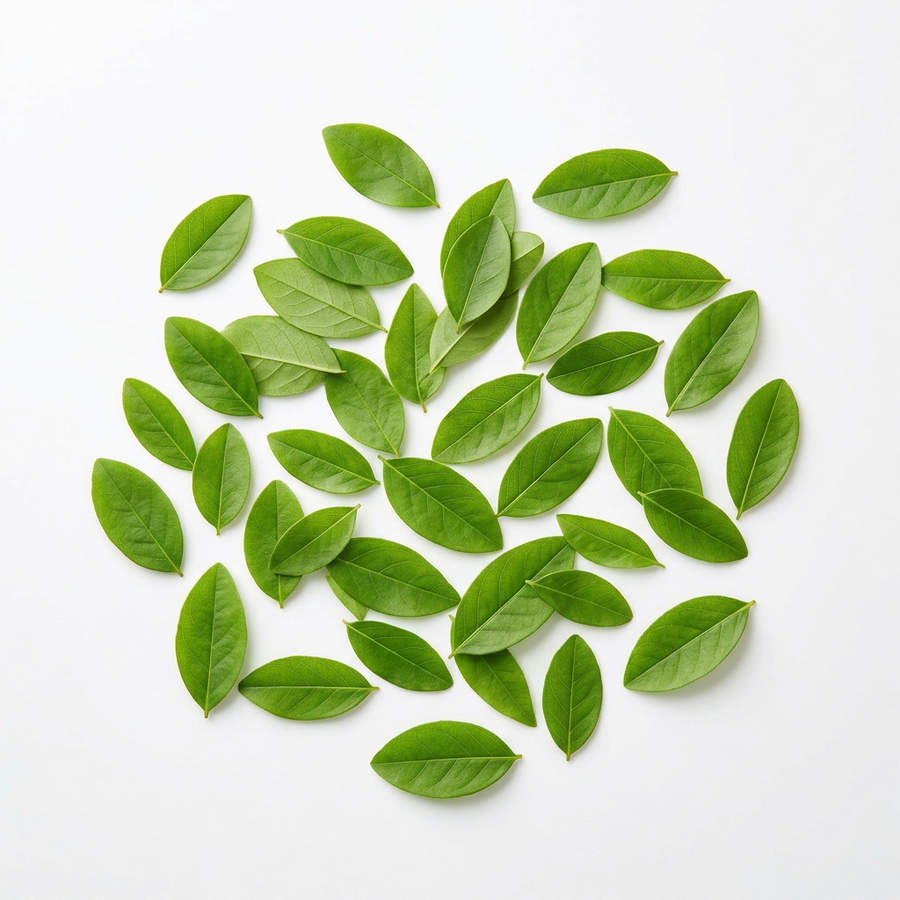
GABA (50 mg)
GABA (gamma-aminobutyric acid) is an amino acid that the body makes itself and that occurs naturally in tomatoes, tea and fermented foods.
L-theanine (50 mg)
L-theanine is an amino acid that occurs naturally in the leaves of the tea plant.
Folic acid (400 µg - 200%)¹
Folic acid is the synthetic form of folate, a water-soluble B vitamin also known as vitamin B9.
Folic acid contributes to normal psychological function.
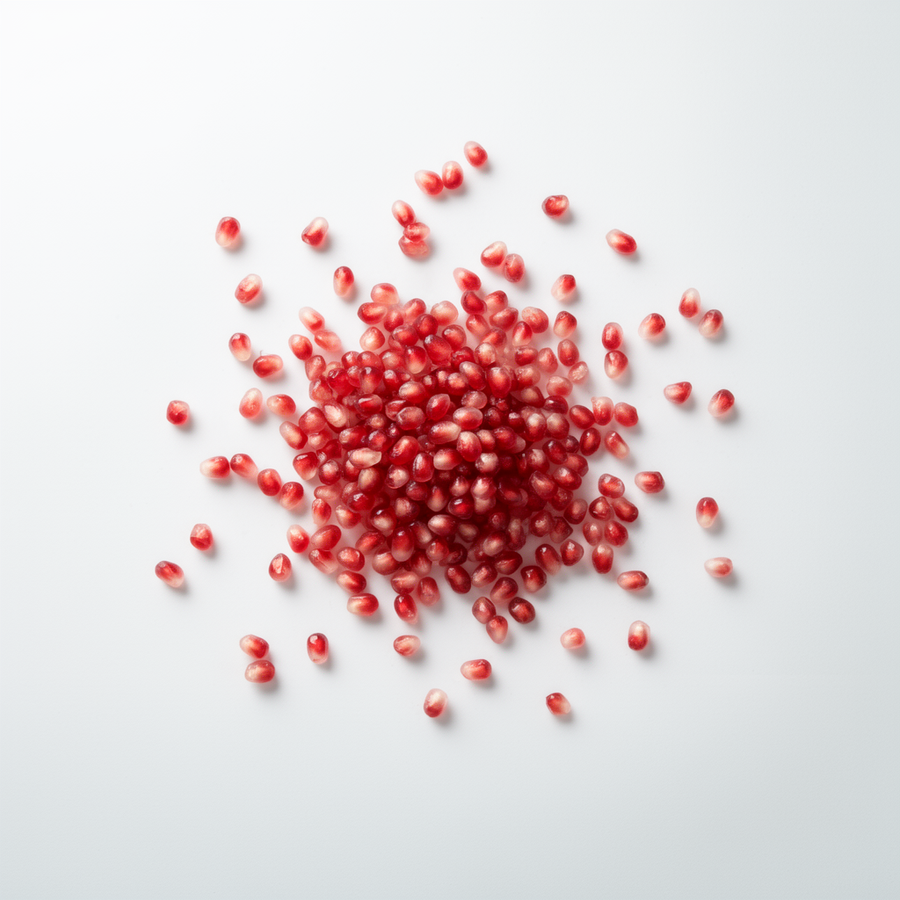
Coenzyme Q10 (100 mg)
Coenzyme Q10 is a substance found naturally in the body and in foods such as fatty fish and nuts.
Panax ginseng (10 mg)
Panax ginseng is the root of a plant from the aralia family, native to Korea and north-east China.
Vitamin B12 (100 µg - 4000%)¹
Vitamin B12, also called cobalamin, is a water-soluble B vitamin found almost only in animal foods.
Vitamin B12 contributes to normal energy-yielding metabolism. It plays a role in cell division and contributes to normal psychological function.
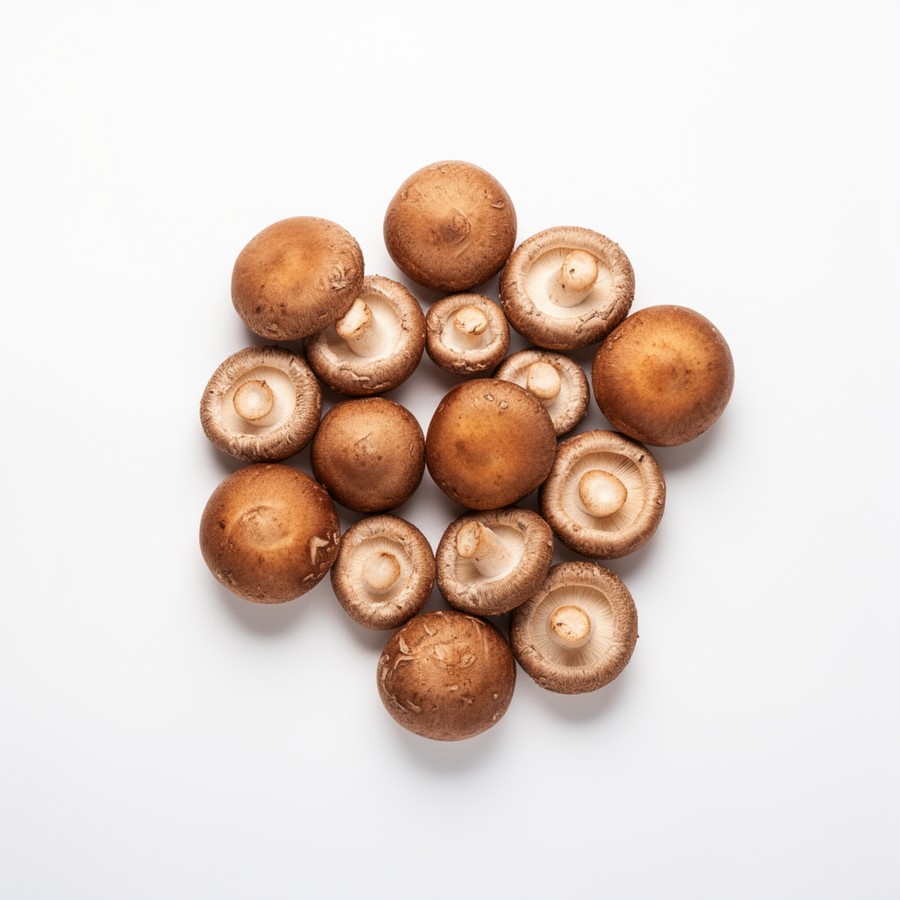
Vitamin D (20 µg (800 IU) - 400%)
Your skin produces vitamin D when exposed to sunlight.
Vitamin D contributes to the normal functioning of the immune system.
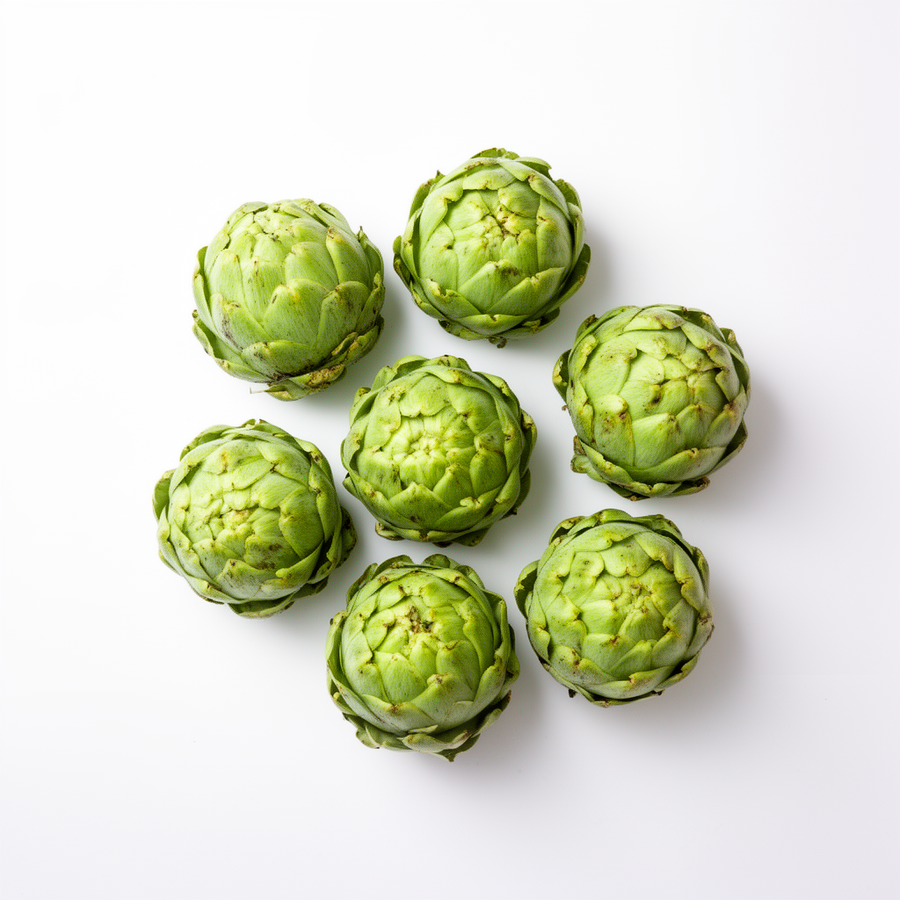
Inulin (150 mg)¹
Chicory inulin is a soluble fibre from the root of the chicory plant.
GOS-OP (150 mg)
GOS (galacto-oligosaccharides) are dietary fibres: short sugar chains made from lactose, the sugar in milk.
L-glutamine (50 mg)
L-glutamine is the most common free amino acid in the human body.
Lactobacillus helveticus (10 mg)
Lactobacillus helveticus is a species of bacteria belonging to the genus Lactobacillus and is classified as a lactic acid bacterium.

Beta-glucans (100 mg)
Beta-glucans are polysaccharides (fibres) found in grains, yeast and mushrooms.
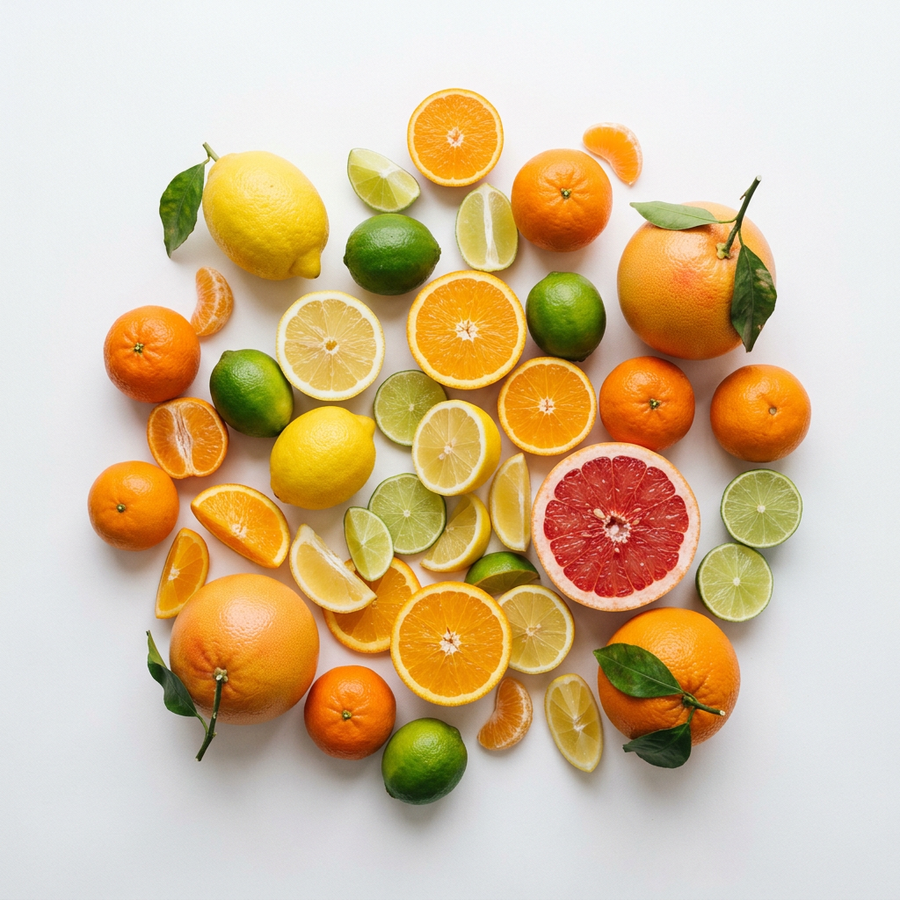
Vitamin C (80 mg - 100%)²
Vitamin C, also called ascorbic acid, is a water-soluble vitamin that the body cannot make itself.
Vitamin C contributes to the normal functioning of the immune system and a normal energy-yielding metabolism.
Vitamin D (50 µg (2000 IU) - 1000%)¹
Your skin produces vitamin D when exposed to sunlight.
Vitamin D contributes to the normal functioning of the immune system.
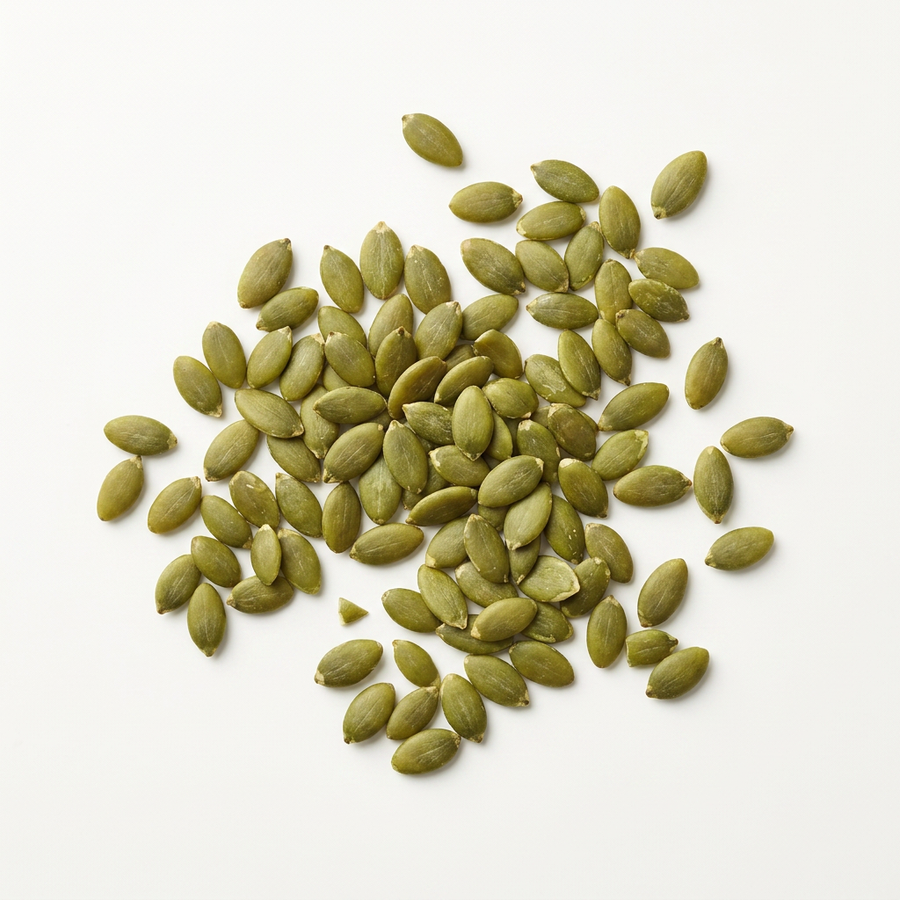
Zinc (10 mg - 100%)²
Zinc is a mineral and trace element found in foods such as meat, shellfish, cheese, legumes and nuts.
Zinc plays a role in the process of cell division and contributes to the maintenance of normal bones, hair, nails and skin.
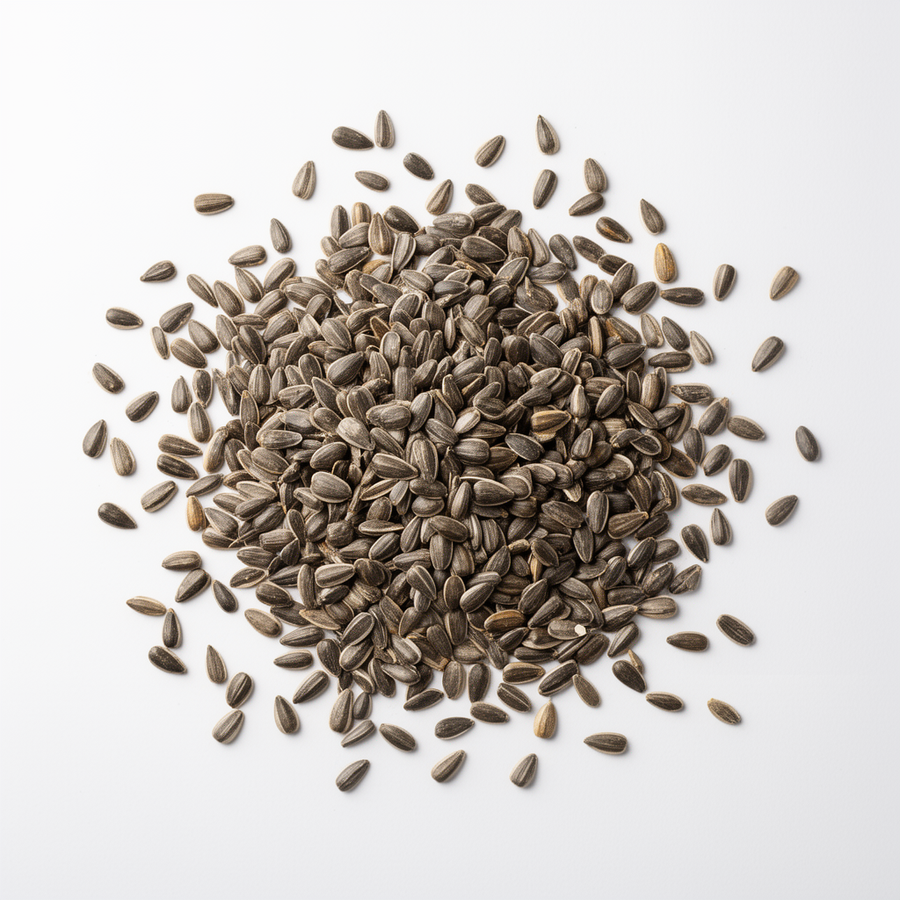
Selenium (55 µg - 100%)²
Selenium is a mineral and trace element found in foods such as fish, eggs and Brazil nuts.
Selenium contributes to the maintenance of normal hair and normal nails, to the normal function of the immune system and to the protection of cells from oxidative stress.
FAQ
Frequently Asked Questions
That depends on your needs. The range offers a gummy for every moment of the day. On each product page, you can read about the ingredients and the product's purpose, making it easy to choose what suits you best.
Yes, all GIMMY Gummies are compatible with each other, so you can combine them without any worries. Do you want to combine them with a supplement that is not from GIMMY? Feel free to email us at info@gimmy.be or ask your GP or pharmacist for advice.
For most gummies, the time of day does not matter, and you simply choose a fixed time that fits into your daily routine. Some products are best taken at a specific time (check the product page or packaging). Always adhere to the recommended daily dosage.
No. Food supplements are an addition to a varied diet and a healthy lifestyle, not a replacement for them. Especially during exam periods or busy workweeks, sufficient sleep, exercise, and regular meals remain important.
Our gummies are sugar-free, gelatin-free, and free from artificial colorings. If you want to be sure about a specific product or diet (e.g., vegan), please check the ingredient list on the packaging or on the product page.

