
Vitamins for growing children
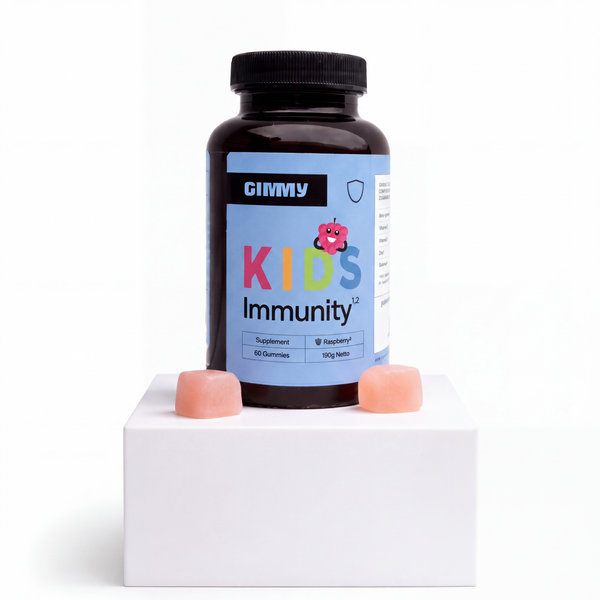
Growing up demands a lot from a body. That's why GIMMY offers a range of gummies with a well-thought-out combination of vitamins, minerals, and plants. This ensures there's a suitable gummy for every moment of the day. All GIMMY Gummies were formulated and made by Belgian pharmacists and comply with HACCP guidelines. Our gummies are free from artificial colors and contain no gelatin or sugar.
3 years
and older
0%
sugar
100%
vegan & natural
650+
partner pharmacies
Our offer
Which gummies are best for your son or daughter?
Discover which GIMMY Gummies fit into your routine.
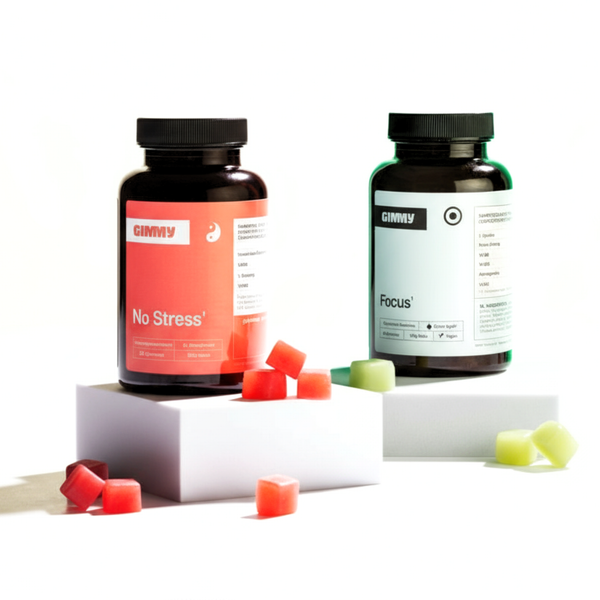

Bundle & Save
Save up to €5 per pot
Save even more now with a bundle


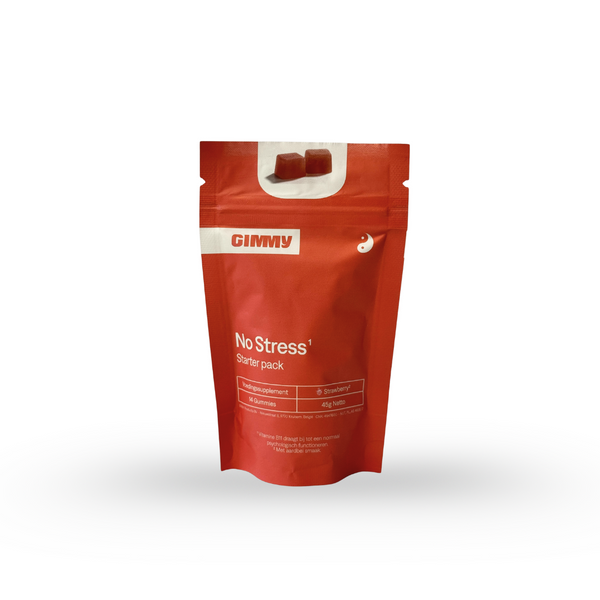
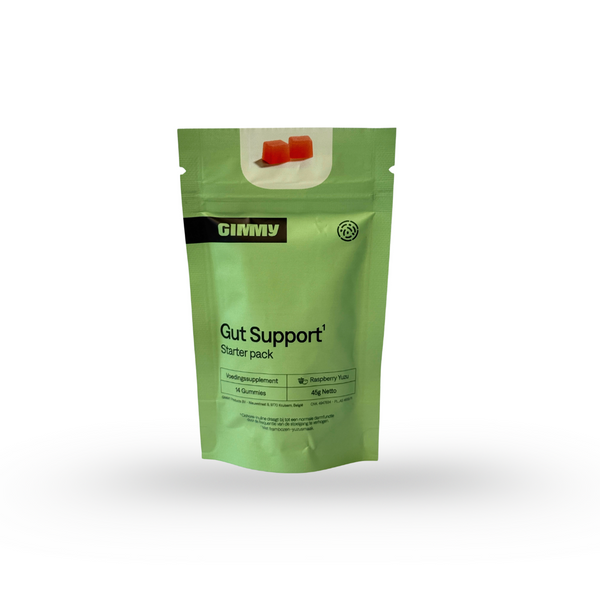
Why GIMMY?
GIMMY Gummies for Growing Children
GIMMY Gummies are for your little one, with a gummy for every moment of the day. They were developed by Belgian pharmacists and are available online and in 650+ pharmacies.
- Developed by three pharmacists and a doctorEach formula is scientifically substantiated.
- 100% vegan and sugar-freeWith natural fruit extracts, without gelatin or artificial sweeteners.
- Trusted by your pharmacistAvailable in 600+ pharmacies or online.
- HACCP-certifiedGIMMY Gummies are HACCP-certified, which means they are produced according to strict food safety standards. Every potential risk in the production process is analyzed and controlled, ensuring you receive a safe and high-quality product.
What parents say
Parent reviews.
Developed by pharmacists, reviewed by our customers
★★★★★
Fast delivery. And our (teenage) daughter has a concentration problem. It seems to be affecting her in class and when she needs to do homework. It's an experiment for us. If we order again, it means it's been positive.
★★★★★
Fast delivery. Neatly packaged. The gummies taste good. My daughter is happy with them, and so am I.
★★★★★
So far, my daughter thinks it helps...so positive
★★★★☆
I also gladly recommend GIMMY Gummies for children. The dosages are correct and the composition is clear. Parents appreciate the transparency.
Selected by pharmacists
Natural ingredients
Certain active ingredients in gummies can be absorbed by your body up to 2 times more effectively, thanks to absorption through your oral mucous membranes. Our gummies contain only natural and high-quality ingredients that support your health, without compromising on taste and convenience. All ingredients have been carefully selected to contribute to maintaining good health.
The amounts listed are per 1 gummy.
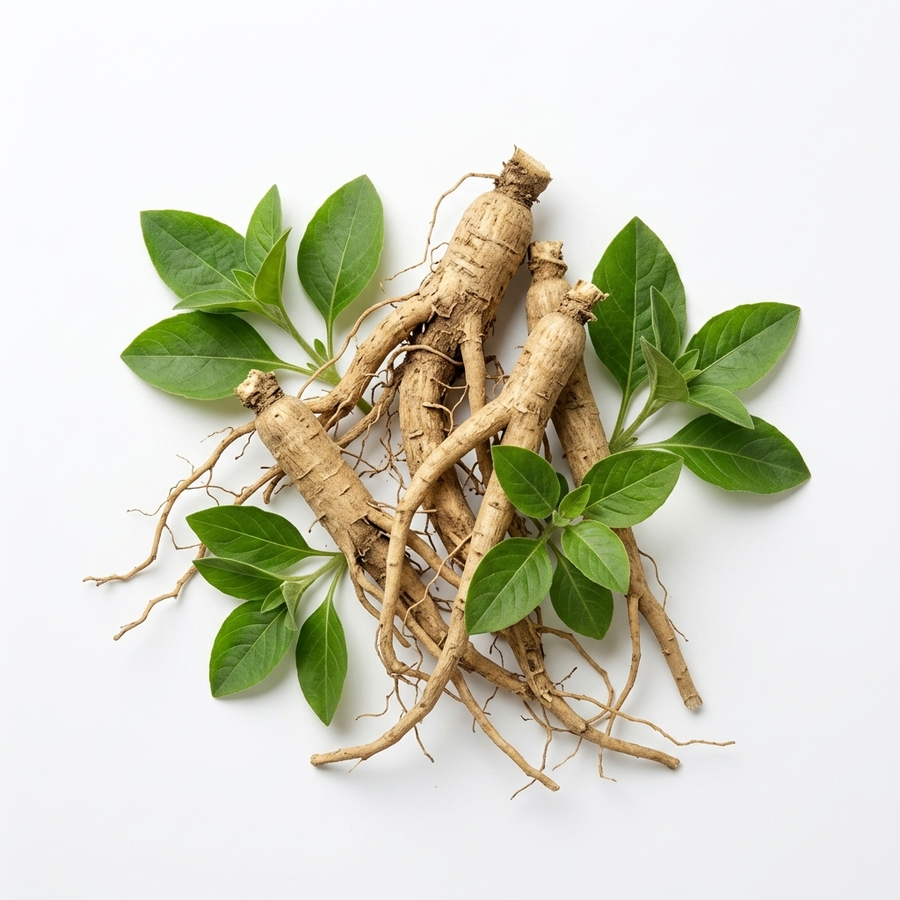
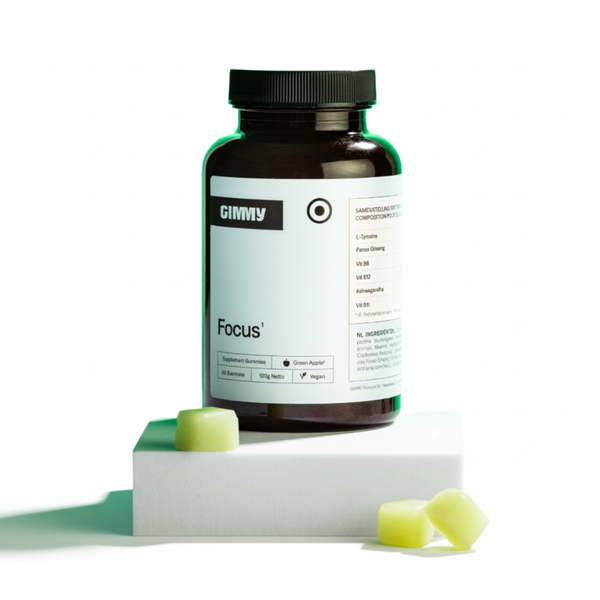
Ashwagandha (1 mg)
Ashwagandha (Withania somnifera) is a shrub from the nightshade family whose root has been used for centuries in Ayurveda.
L-tyrosine (75 mg)
L-tyrosine is an amino acid naturally found in protein-rich foods.
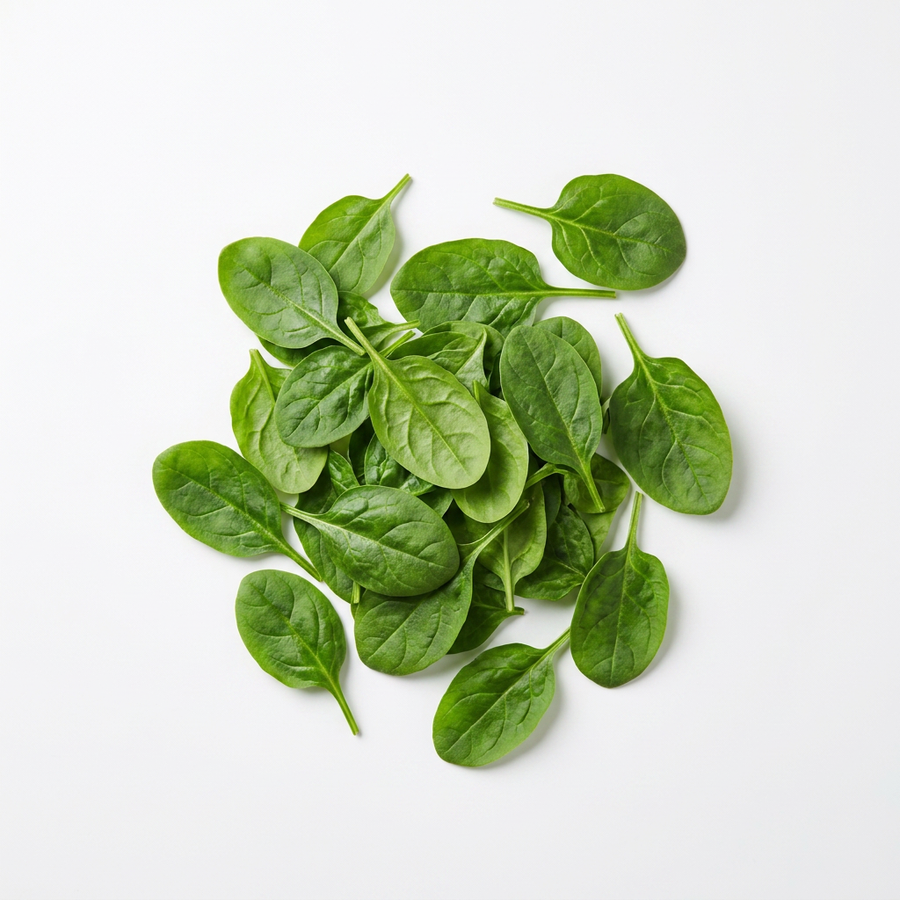
Folic acid (200 µg)
Folic acid is the synthetic form of folate, a water-soluble B vitamin also known as vitamin B9.
Folic acid contributes to normal psychological function.
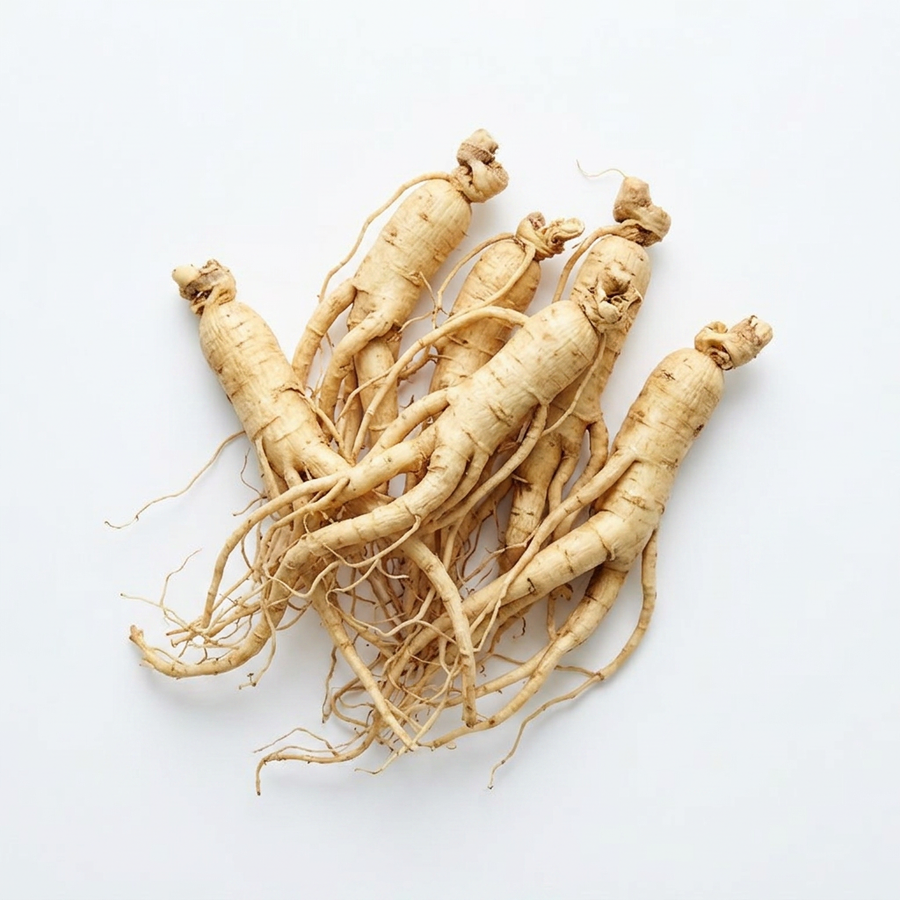
Panax ginseng (4 mg)
Panax ginseng is the root of a plant from the aralia family, native to Korea and north-east China.
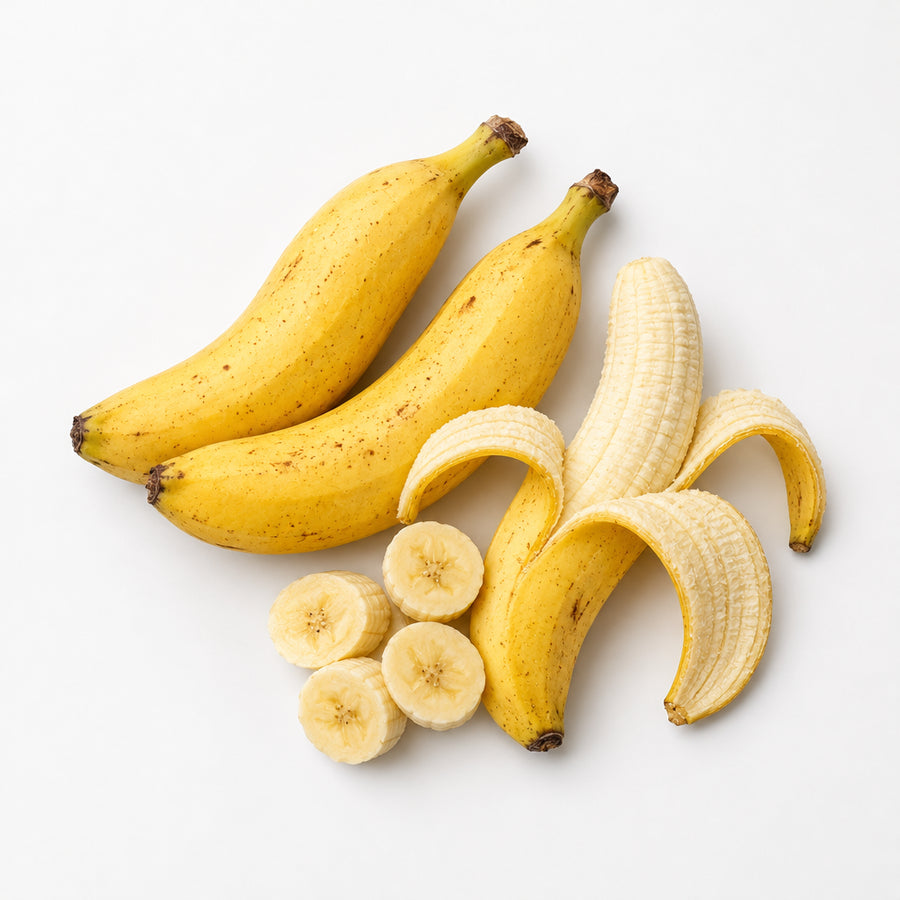
Vitamin B6 (2,8 mg)¹
Vitamin B6 is a water-soluble B vitamin found in foods such as fish, poultry, potatoes and bananas.
Vitamin B6 contributes to normal psychological function.
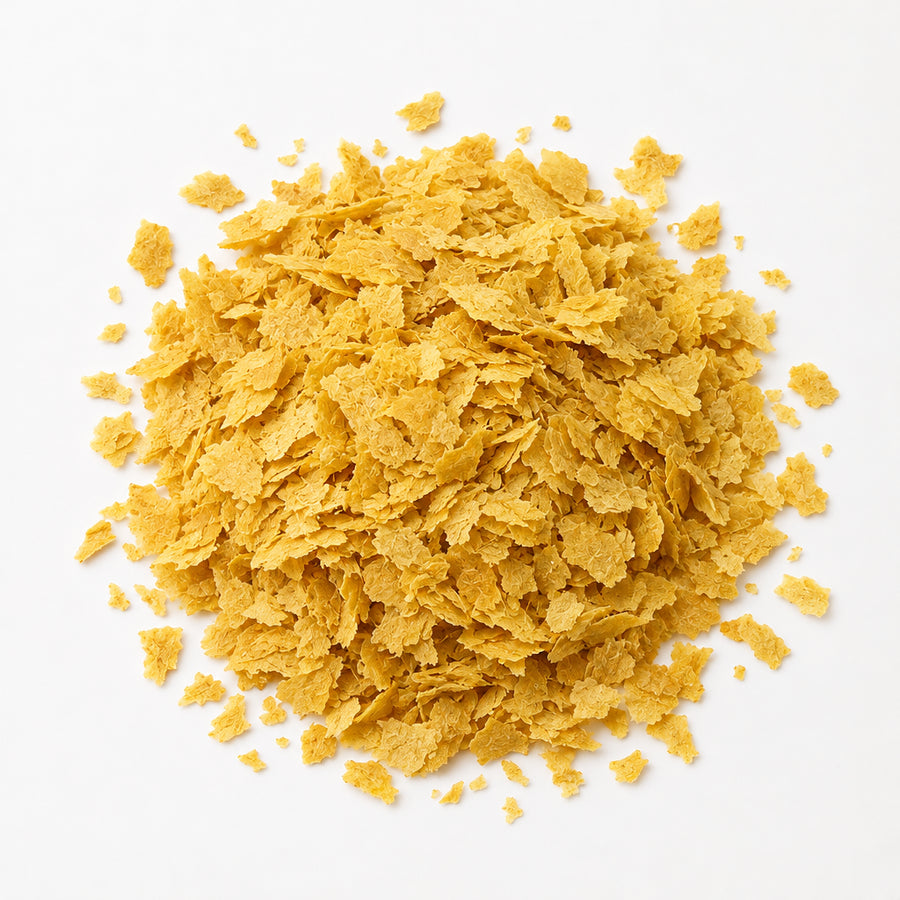
Vitamin B12 (2,5 µg)
Vitamin B12, also called cobalamin, is a water-soluble B vitamin found almost only in animal foods.
Vitamin B12 contributes to normal energy-yielding metabolism. It plays a role in cell division and contributes to normal psychological function.
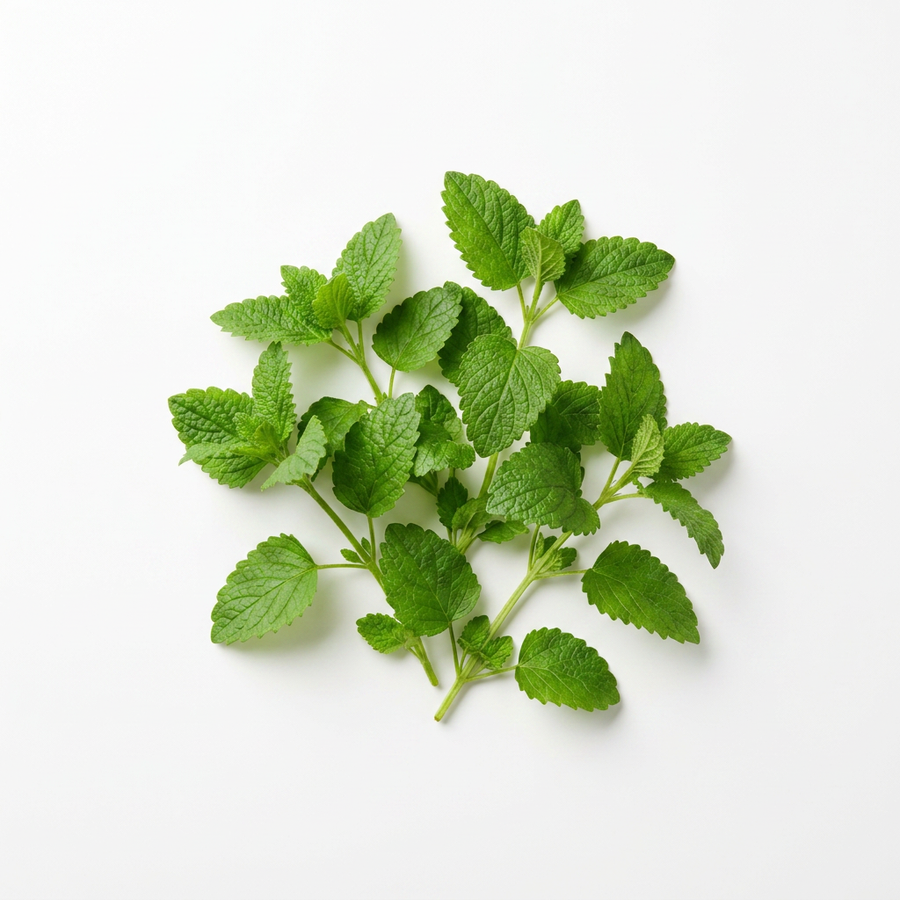
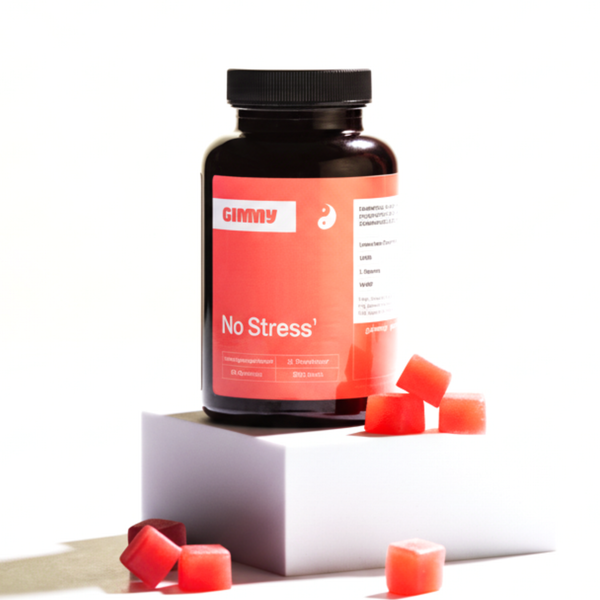
Lemon balm (150 mg)
Lemon balm (Melissa officinalis) is a herb from the mint family with a fresh lemon scent.
GABA (50 mg)
GABA (gamma-aminobutyric acid) is an amino acid that the body makes itself and that occurs naturally in tomatoes, tea and fermented foods.
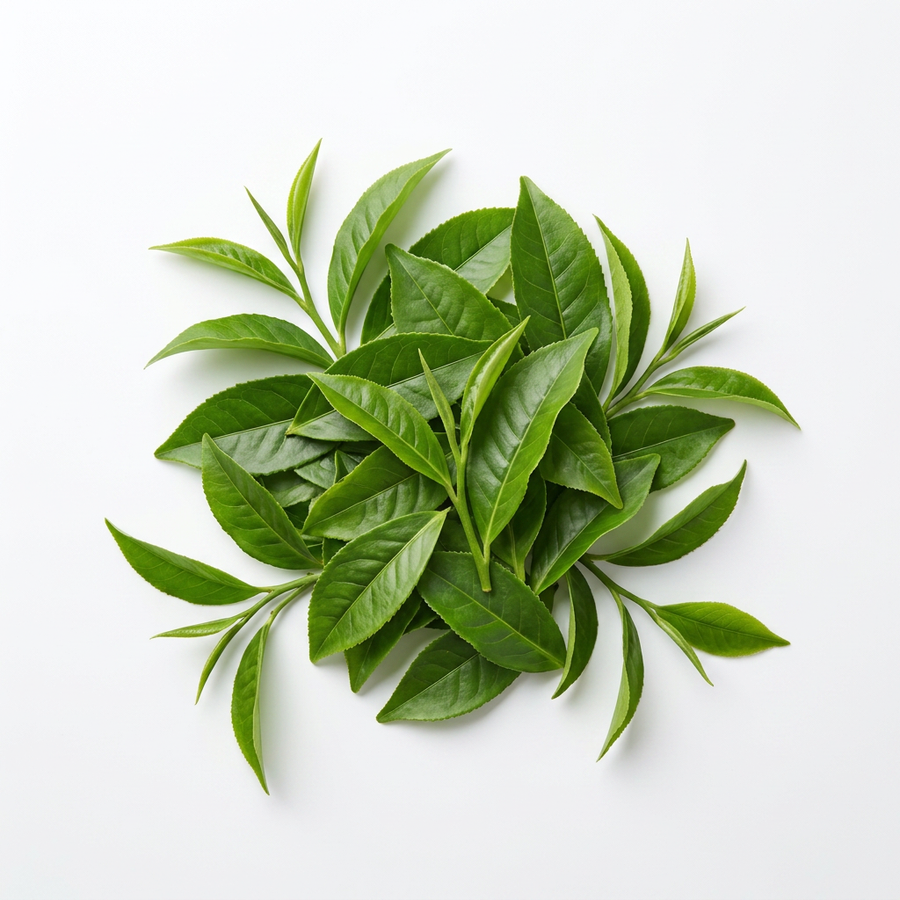
L-theanine (50 mg)
L-theanine is an amino acid that occurs naturally in the leaves of the tea plant.
Folic acid (400 µg - 200%)¹
Folic acid is the synthetic form of folate, a water-soluble B vitamin also known as vitamin B9.
Folic acid contributes to normal psychological function.
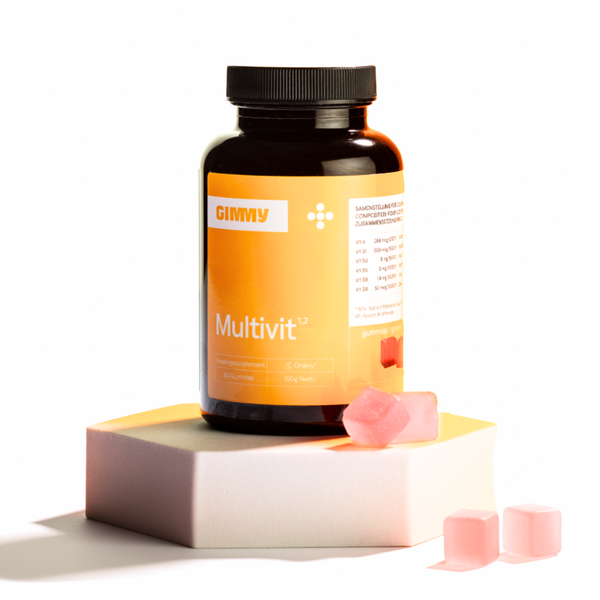
B vitamins
A group of 7 vitamins. Per 2 gummies: B1 0.55 mg (50%), B3 8 mg (50%), B5 6 mg (100%), B6 1.4 mg (100%), biotin 50 µg (100%), folic acid 200 µg (100%) and B12² 10 µg (400%).
Thiamine (B1), niacin (B3), pantothenic acid (B5), vitamin B6, biotin and vitamin B12 contribute to normal energy-yielding metabolism.
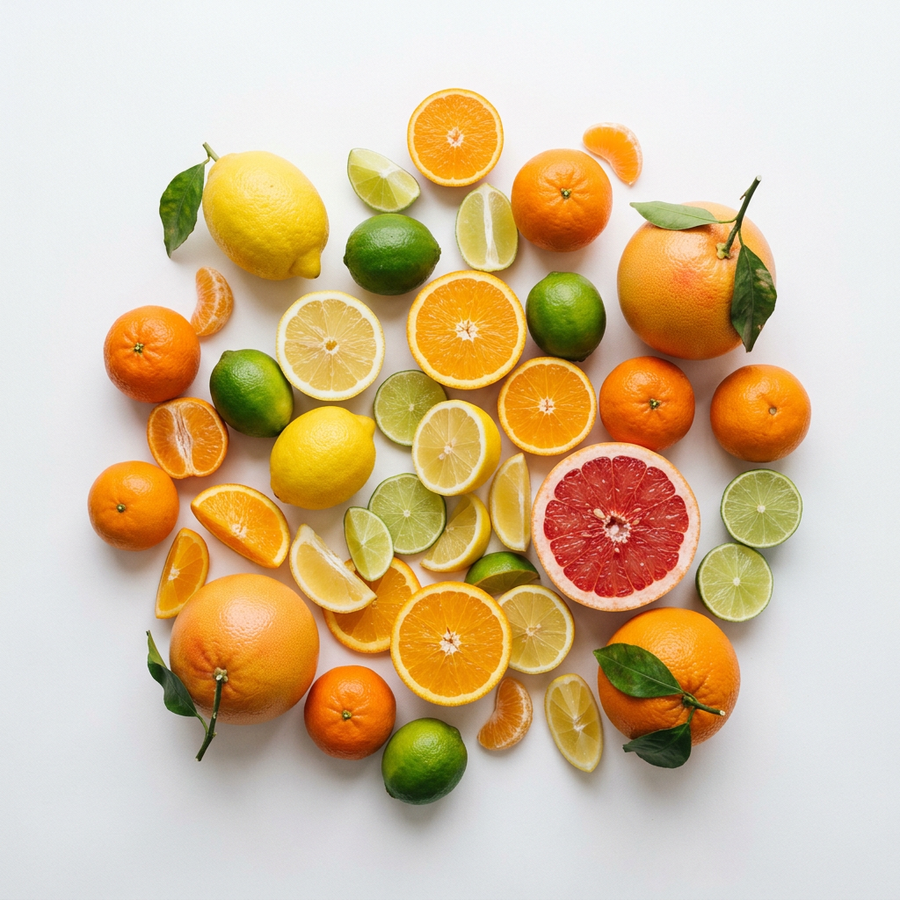
Vitamin C (40 mg - 50%)
Vitamin C, also called ascorbic acid, is a water-soluble vitamin that the body cannot make itself.
Vitamin C contributes to the normal functioning of the immune system and a normal energy-yielding metabolism.
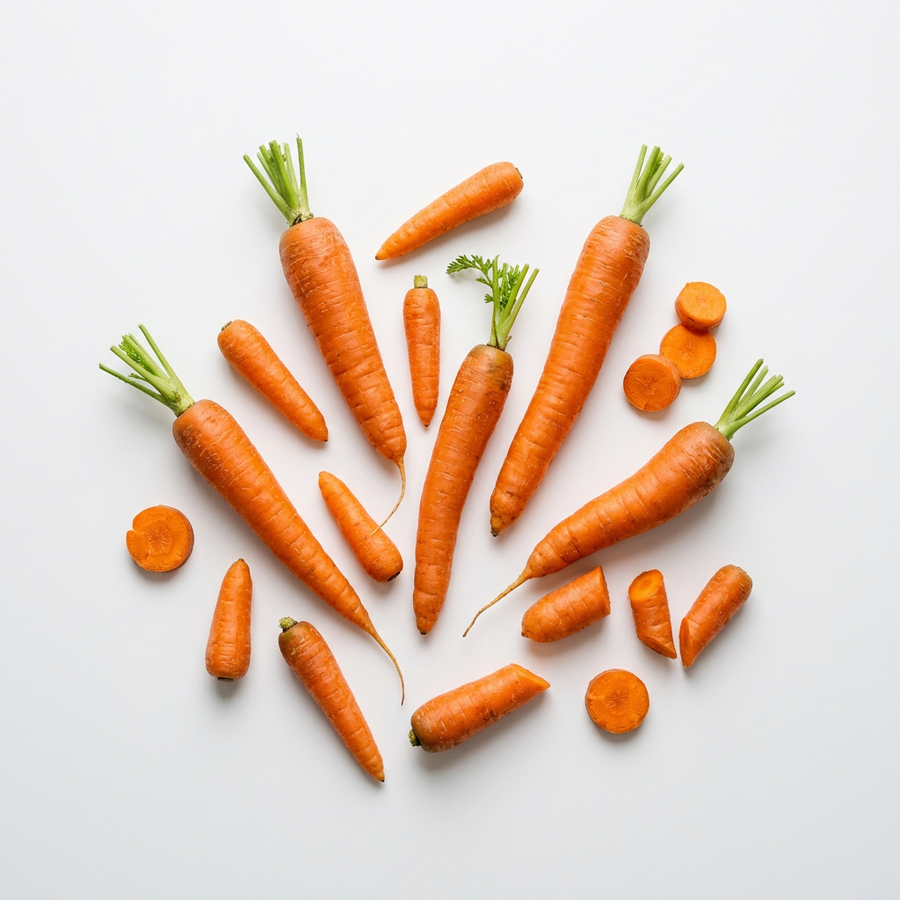
Vitamin A (264 µg - 33%)
Vitamin A is a fat-soluble vitamin found as retinol in animal foods and as beta-carotene in vegetables.
Vitamin A contributes to the maintenance of normal skin, normal vision and the normal function of the immune system.
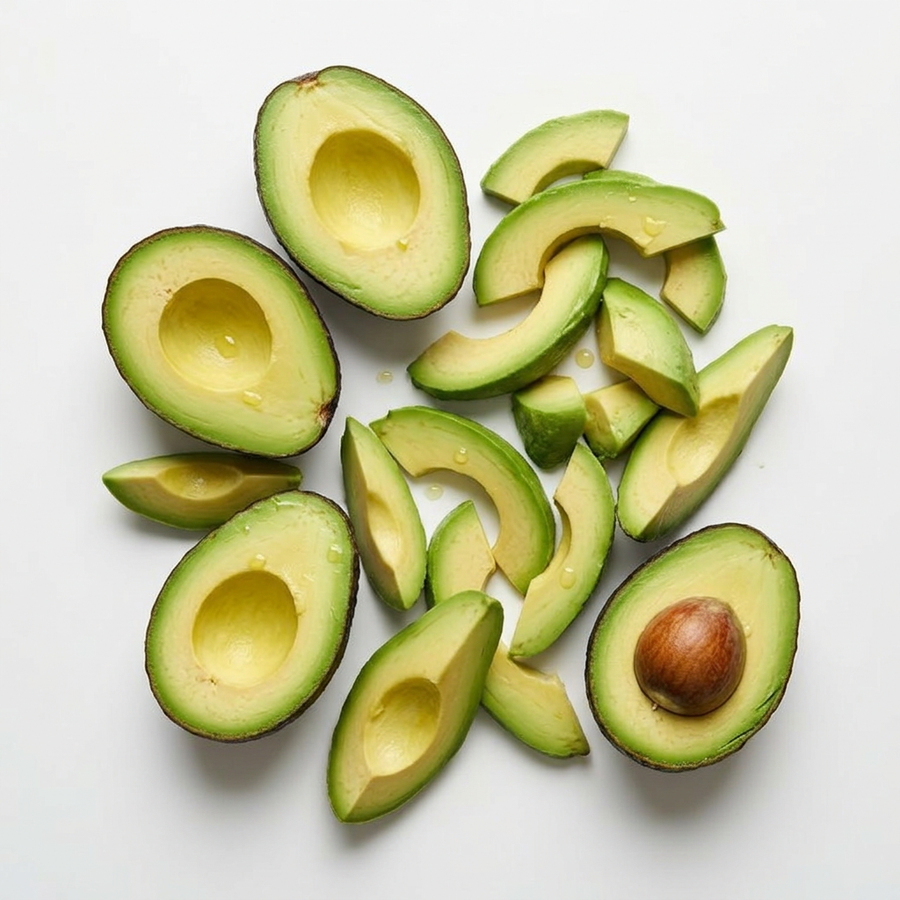
Vitamin E (6 mg - 50%)
Vitamin E is a fat-soluble vitamin found mainly in vegetable oils, nuts and seeds.
Vitamin E contributes to the protection of cells against oxidative stress.
Vitamin D (20 µg (800 IU) - 400%)¹
Your skin produces vitamin D when exposed to sunlight.
Vitamin D contributes to the normal functioning of the immune system.
Zinc (2,5 mg - 25%)
Zinc is a mineral and trace element found in foods such as meat, shellfish, cheese, legumes and nuts.
Zinc plays a role in the process of cell division and contributes to the maintenance of normal bones, hair, nails and skin.
Coenzyme Q10 (100 mg)
Coenzyme Q10 is a substance found naturally in the body and in foods such as fatty fish and nuts.
Panax ginseng (10 mg)
Panax ginseng is the root of a plant from the aralia family, native to Korea and north-east China.
Vitamin B12 (100 µg - 4000%)¹
Vitamin B12, also called cobalamin, is a water-soluble B vitamin found almost only in animal foods.
Vitamin B12 contributes to normal energy-yielding metabolism. It plays a role in cell division and contributes to normal psychological function.
Vitamin D (20 µg (800 IU) - 400%)
Your skin produces vitamin D when exposed to sunlight.
Vitamin D contributes to the normal functioning of the immune system.
Inulin (150 mg)¹
Chicory inulin is a soluble fibre from the root of the chicory plant.
GOS-OP (150 mg)
GOS (galacto-oligosaccharides) are dietary fibres: short sugar chains made from lactose, the sugar in milk.
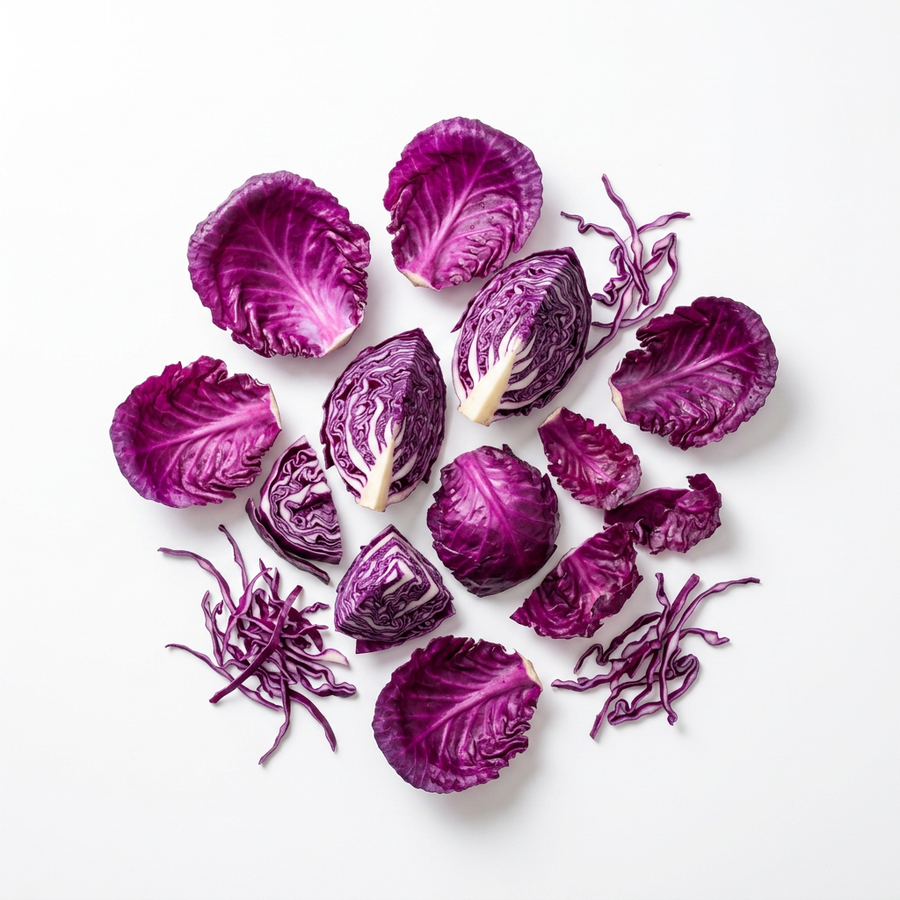
L-glutamine (50 mg)
L-glutamine is the most common free amino acid in the human body.
Lactobacillus helveticus (10 mg)
Lactobacillus helveticus is a species of bacteria belonging to the genus Lactobacillus and is classified as a lactic acid bacterium.
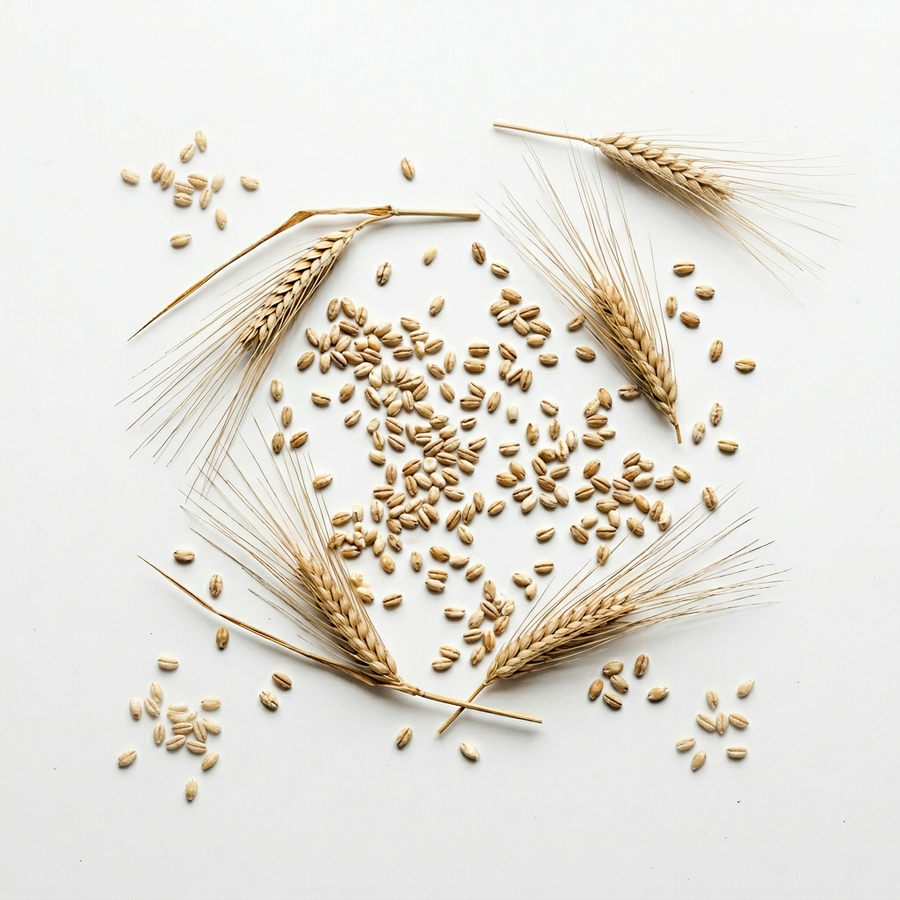
Beta-glucans (100 mg)
Beta-glucans are polysaccharides (fibres) found in grains, yeast and mushrooms.
Vitamin C (80 mg - 100%)²
Vitamin C, also called ascorbic acid, is a water-soluble vitamin that the body cannot make itself.
Vitamin C contributes to the normal functioning of the immune system and a normal energy-yielding metabolism.
Vitamin D (50 µg (2000 IU) - 1000%)¹
Your skin produces vitamin D when exposed to sunlight.
Vitamin D contributes to the normal functioning of the immune system.
Zinc (10 mg - 100%)²
Zinc is a mineral and trace element found in foods such as meat, shellfish, cheese, legumes and nuts.
Zinc plays a role in the process of cell division and contributes to the maintenance of normal bones, hair, nails and skin.
Selenium (55 µg - 100%)²
Selenium is a mineral and trace element found in foods such as fish, eggs and Brazil nuts.
Selenium contributes to the maintenance of normal hair and normal nails, to the normal function of the immune system and to the protection of cells from oxidative stress.
Beta-glucans (50 mg)
Beta-glucans are polysaccharides (fibres) found in grains, yeast and mushrooms.
Vitamin C (40 mg - 50%)²
Vitamin C, also called ascorbic acid, is a water-soluble vitamin that the body cannot make itself.
Vitamin C contributes to the normal functioning of the immune system and a normal energy-yielding metabolism.
Vitamin D (25 µg (1000 IU) - 500%)¹
Your skin produces vitamin D when exposed to sunlight.
Vitamin D contributes to the normal functioning of the immune system.
Zinc (5 mg - 50%)²
Zinc is a mineral and trace element found in foods such as meat, shellfish, cheese, legumes and nuts.
Zinc plays a role in the process of cell division and contributes to the maintenance of normal bones, hair, nails and skin.
Selenium (27,5 µg - 50%)²
Selenium is a mineral and trace element found in foods such as fish, eggs and Brazil nuts.
Selenium contributes to the maintenance of normal hair and normal nails, to the normal function of the immune system and to the protection of cells from oxidative stress.
FAQ
Frequently Asked Questions
Most GIMMY Gummies are suitable for children aged 3 and above. Always check the specific product page and packaging.
1 gummy per day for children aged 3 to 12 years and 2 gummies per day from 12 years onwards. Always adhere to the recommended daily dosage on the packaging and do not exceed the stated amount. Deep Sleep and Hair & Nails are not suitable for children under 12 years of age.
Not every product is intended for every age group. Deep Sleep and Hair & Nails are only suitable for children over 12 years old. All other gummies are suitable for children aged 3 and above.
No, our gummies are sugar-free and do not contain gelatin. They are also free from artificial colorings. What's more, the gummies are a pleasant option for children who don't like to swallow tablets or capsules.
Is your child already taking other supplements or medication? Please discuss the use of GIMMY Gummies with your doctor or pharmacist first to ensure a safe combination. You can also always email us at info@gimmy.be.

